

Book Your Appointment Today!
Our staff will reach out to you shortly
Thank you! Your submission has been received!
Oops! Something went wrong while submitting the form.


You’re probably thinking about dentistry from the patient side. You book a visit, sit in the chair, get an exam or treatment, and head back to your day. From the dentist’s side, that same appointment sits inside a carefully built system of planning, diagnosis, communication, follow-through, and constant adjustment.
Before the first patient arrives, the clinical day has already started. Charts are reviewed. Imaging is checked. Equipment is prepared. The team looks at who’s coming in, who may need extra time, who feels nervous, and where the schedule has to stay flexible for urgent calls. Even posture matters. Dentistry is precise work done in tight spaces, which is one reason many clinicians pay attention to ergonomics and resources like this explanation of why dentists experience back pain.
When people ask, what do dentists do on a daily basis, their work goes far beyond drilling and fillings. A modern dental day blends science, hand skills, patient education, digital technology, infection control, scheduling judgment, and a surprising amount of administrative work. At a practice serving families, cosmetic patients, and same-day concerns, every part of that day affects the patient experience.
A dentist’s day usually begins in the quiet. The lights are on, instruments are in place, and the team is preparing long before the waiting room fills. That early rhythm matters because a smooth patient visit rarely happens by accident.
Some patients need routine preventive care. Others arrive with a broken tooth, sensitivity, or a cosmetic concern they’ve put off for months. A dentist has to move between those needs without making care feel rushed or impersonal.
Much of the work happens outside the moment when the chair reclines.
A calm appointment usually reflects good preparation, not an easy day.
That’s the hidden blueprint behind a well-run office. When a patient says, “That felt organized,” they’re usually noticing the result of many small decisions made before treatment even begins.
Dentistry isn’t only technical. It’s also relational. A dentist may move from reassuring a child during a first exam, to discussing whitening options with an adult, to helping someone in pain understand why a cracked tooth can’t wait.
That switch in mindset is part of the profession. The same hands that place a restoration also have to read body language, explain choices clearly, and know when a patient needs more time, not more information.
Most dental days are built around prevention. That’s not filler in the schedule. It’s the core work that helps patients avoid bigger, costlier problems later.

A strong day often starts with a short team huddle. The team reviews who is coming in, who may need updated imaging, which patients are due for treatment discussions, and where an emergency visit could fit if one appears.
That short conversation reduces friction all day. It helps the hygienist know when to flag gum concerns, helps assistants prepare operatories efficiently, and helps the front desk set expectations accurately.
Preventive care usually includes cleanings, exams, imaging when needed, and coaching on home care. The hygienist and dentist play different roles, but the goal is shared: catch problems early and help patients keep healthy teeth longer.
Dentists dedicate approximately 60% of their daily schedule to preventive care, including routine cleanings and examinations, and dentists in the U.S. perform over 500 million dental cleanings annually, according to this overview of the day-to-day life of a dentist. That tells you how central prevention is to the profession.
For many patients, a cleaning feels routine. Clinically, it’s one of the most valuable visits in the year. It gives the team a chance to check for early decay, gum inflammation, bite changes, worn dental work, and habits that may be affecting long-term oral health.
If you’ve ever wondered what the appointment itself involves, this guide to what happens during a dental cleaning walks through the process in patient-friendly terms.
Practical rule: The easiest dentistry is the dentistry you never end up needing because a problem was caught early.
Digital X-rays have changed the pace and precision of preventive care. They make it easier to review images quickly, compare changes over time, and explain findings in a way patients can see. In practices using digital AI-powered X-rays, the process can also feel more efficient during the visit.
That matters because patient education works better when it’s visual. It’s easier to understand why a small cavity should be treated now, or why gum changes need attention, when the image is right there on the screen.
A short visual can also make the preventive side of dentistry easier to picture:
Preventive care isn’t just “come in twice a year and hope for the best.” It works when the team connects findings to habits and daily life.
That may include:
A good preventive appointment should leave a patient with a clearer picture of what’s happening now and what to do next.
Preventive care tries to keep teeth healthy and stable. Restorative and cosmetic care steps in when a tooth needs repair, reinforcement, or a better appearance.
That part of the day is where dentistry becomes both mechanical and artistic. A dentist isn’t just fixing damage. They’re rebuilding shape, function, bite balance, and the look of a natural smile.
A restorative appointment can be straightforward or technically demanding. Tooth-colored fillings repair areas of decay while preserving as much healthy structure as possible. Bridges replace missing teeth by connecting to neighboring support teeth. Dental implants restore a missing tooth from the root area upward, helping with both chewing and appearance.
Some treatments are easier to understand with plain comparisons. A crown is often like a custom-made helmet for a damaged tooth. It covers and protects what remains so the tooth can handle normal biting forces again.
At practices that offer same-day CEREC crowns, the process can move more efficiently because scanning, design, and milling happen in-office. That changes the patient experience in a practical way. Fewer steps, fewer temporary phases, and a faster path from diagnosis to restoration.
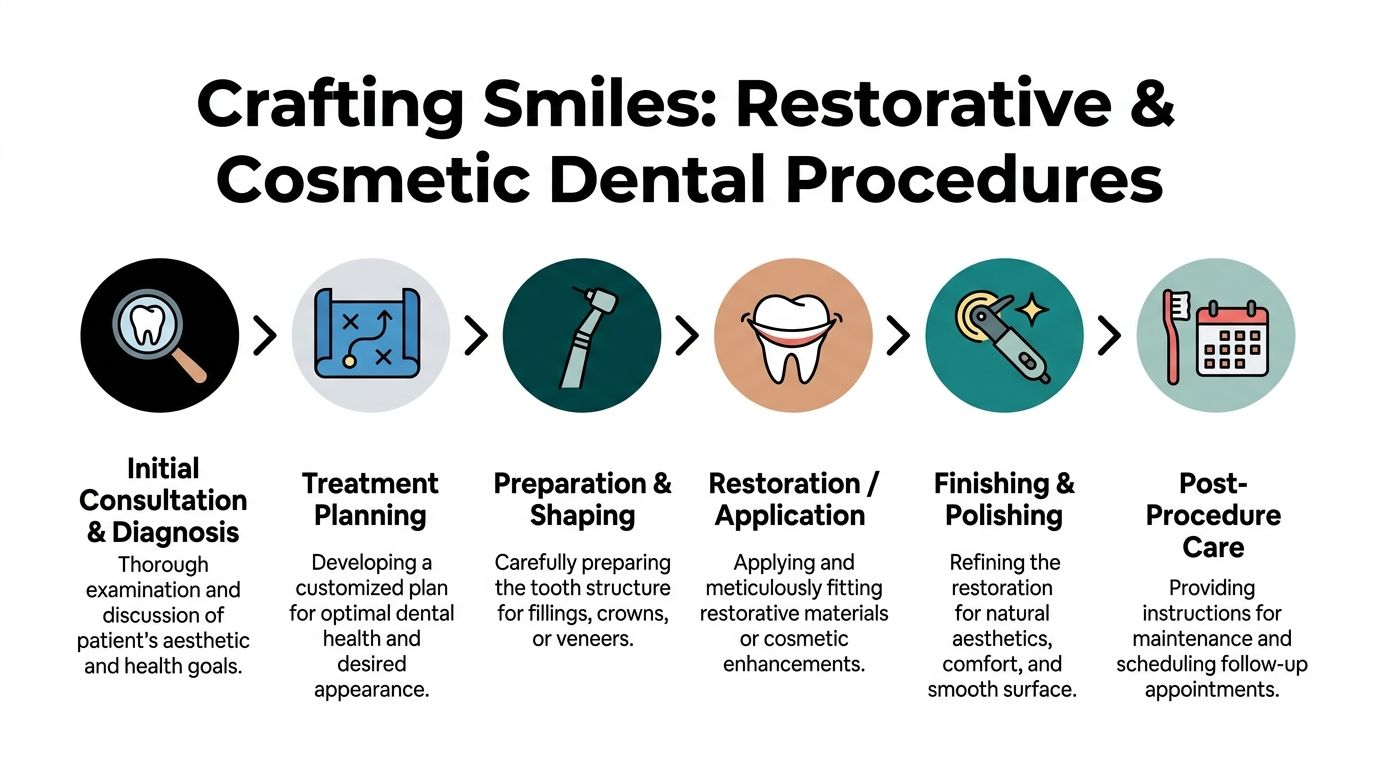
Cosmetic care often looks simple from the outside. Whiter teeth, straighter alignment, a more even smile. The clinical thinking behind it is more layered.
A dentist has to consider:
One patient may want professional whitening because the teeth are healthy and the issue is mostly shade. Another may need veneers because shape, wear, and discoloration all need correction. A third may be better served by clear aligners first, then finishing with bonding.
Cosmetic dentistry works best when the final result looks like your smile, only healthier and more balanced.
Not every damaged tooth needs the biggest procedure, and not every cosmetic request should move forward exactly as asked. Good dentists spend a lot of time making judgment calls.
Sometimes what works is conservative care. A small bonded repair may preserve more natural tooth than a larger restoration. Sometimes what doesn’t work is chasing a quick aesthetic fix when the bite, gum health, or existing wear tells a different story.
That’s why treatment planning takes time. The visible result matters, but the long-term behavior of the tooth matters more.
A dental day may look planned on paper, but emergency care changes that quickly. A patient calls with sharp pain, a broken filling, swelling, or a chipped front tooth before work or school. The schedule has to bend without losing control.
In a well-run practice, the first step is triage. The team asks focused questions, listens for signs that the problem may be urgent, and finds the right slot for an evaluation. The patient doesn’t need a perfect explanation. They need reassurance, clear next steps, and a path to relief.
The emergency visit often moves in stages rather than one final fix.
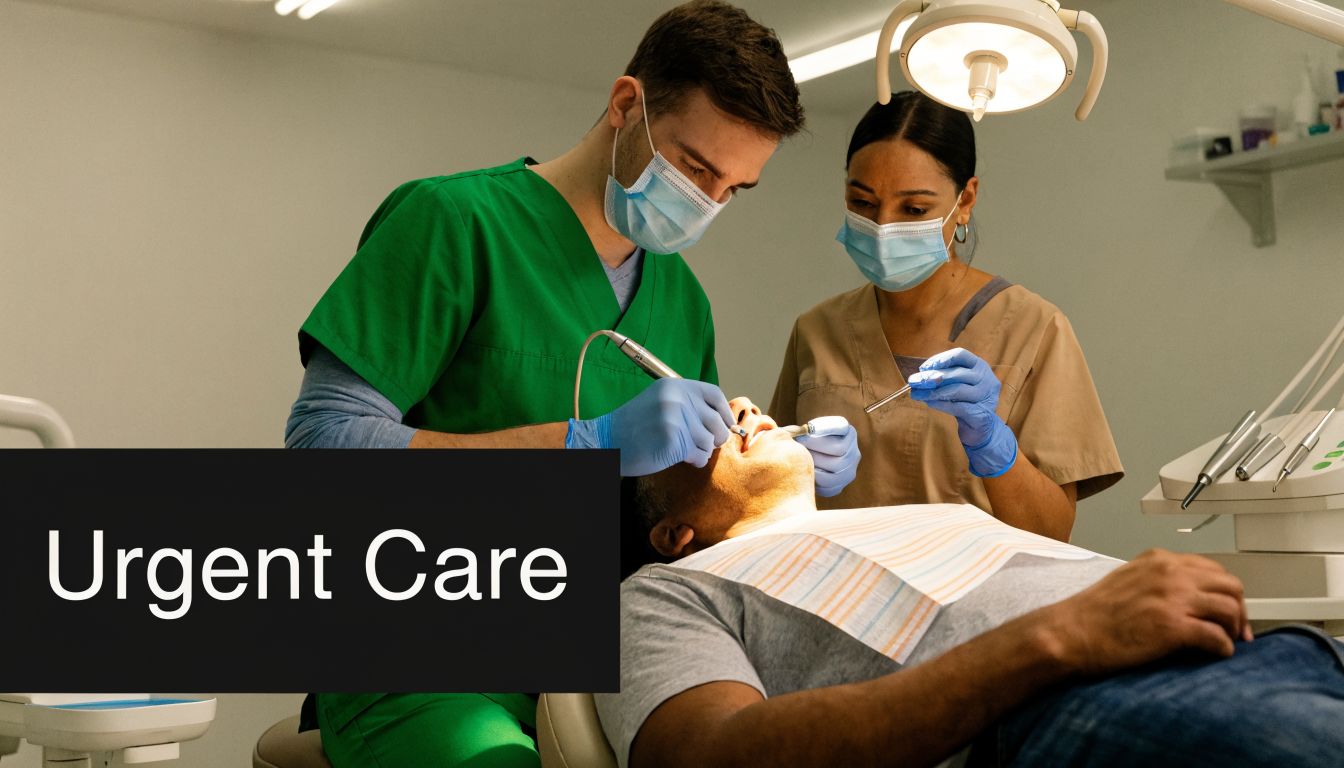
The most important part is often the part patients don’t expect. Emergency dentistry isn’t only clinical speed. It’s decision-making under pressure while the patient is worried, hurting, or both.
If you’re dealing with an urgent issue, this guide on what to do in a dental emergency can help you understand the first steps before you get to the office.
What works in emergency care is a team that protects space in the schedule and communicates quickly. What doesn’t work is treating every urgent call like a routine booking.
A cracked molar, a lost crown before travel, and a child with sudden tooth pain don’t arrive on a convenient timetable. Dentists have to be ready to switch gears fast and still keep treatment thoughtful.
One of the least understood parts of the profession is how much of a dentist’s day happens away from active treatment. Patients see the exam, the filling, the crown prep. They don’t see the charting, treatment planning, insurance communication, consent review, scheduling decisions, and staff coordination that make those appointments run well.
The administrative and business management burden on dentists consumes 20-30% of their time, and in the last year AI-driven practice management software adoption surged by 35% in major U.S. markets, according to this review of the daily responsibilities of a dentist. That’s a major shift in how modern practices try to protect time for patient care.
Admin work can sound separate from healthcare, but patients feel its effects immediately.
This is also where technology can help. Integrated software, digital records, imaging systems, and patient communication tools reduce duplicate work and make conversations more specific. In practical terms, that can mean faster check-ins, more transparent estimates, and less time repeating the same information.
One example is modern dental practices, where digital workflows and patient communication systems shape the visit as much as the clinical tools do. Clayton Dental Studio also uses digital AI-powered X-rays and offers options such as CareCredit, Cherry, and the Humble Savings Plan as part of that operational model.
Time BlockActivityPatient-Facing or Behind-the-ScenesEarly morningChart review, team huddle, operatory preparationBehind-the-scenesMorning clinicExams, cleanings, restorative treatment, patient educationPatient-facingMiddayTreatment planning, documentation, case follow-upBehind-the-scenesAfternoon clinicScheduled procedures, consults, emergency visitsPatient-facingLate afternoonInsurance coordination, records, staff communicationBehind-the-scenesEnd of daySterilization review, next-day prep, lab coordinationBehind-the-scenes
Running a dental office well means caring for the patient in front of you and the systems around them at the same time.
For local practices, communication after the appointment matters almost as much as communication during it. Reviews, patient feedback, and follow-up systems shape trust in the community. For anyone curious about how that side of local healthcare works, this complete online reputation management guide for local businesses gives a useful overview.
The last patient leaving doesn’t mean the work is over. End-of-day tasks are where dentists close loops, document care properly, and prepare the next day to run without unnecessary friction.
Charts are reviewed while details are still fresh. Pending treatment is noted. Messages may go out to labs about restorations in progress. Referral communication may need to happen if a specialist should evaluate part of a case. Instruments and treatment areas go through strict cleaning and sterilization routines because infection control is part of daily care, not a background task.
The popular image of dentistry often misses the mark, as contrary to the 'hands-on all day' myth, dentists often dedicate 1-2 hours daily to non-procedural tasks like reviewing charts, coordinating with hygienists, and pursuing the 20+ hours of annual continuing education credits required to master new trends, as described in this overview of the dentist profession.
That time matters. A dentist who keeps learning can evaluate newer materials, better imaging workflows, clearer aligner protocols, and more efficient restorative options with better judgment. Patients may only notice the final recommendation, but that recommendation often rests on years of continued training and repeated case review.
A strong end-of-day routine usually includes:
What works is consistency. What doesn’t work is leaving decisions for the moment a patient is already in the chair.
The best dental days often end with preparation, not exhaustion alone.
When patients ask what dentists do every day, the honest answer is that dentists protect a lot more than teeth. They manage prevention, repair damage, handle surprises, document carefully, coordinate teams, stay current, and keep improving the systems that support care. All of it serves one purpose. Helping patients keep healthy, comfortable, confident smiles with fewer setbacks and better choices over time.
If you're looking for a full range of family, preventive, cosmetic, restorative, or same-day dental care in the Humble area, Clayton Dental Studio offers a practical, patient-first approach with modern technology, transparent communication, and treatment options designed around real daily needs.