

Book Your Appointment Today!
Our staff will reach out to you shortly
Thank you! Your submission has been received!
Oops! Something went wrong while submitting the form.


If you’ve ever put off a dental visit because you were bracing for the noise, the numb feeling, the messy impression material, or the hassle of coming back again, you’re not alone. A lot of people still picture dentistry as something you endure rather than something designed around your comfort.
That picture is outdated.
Modern dental practices don’t just use newer equipment. They rethink the whole experience. The goal isn’t only to fix teeth. It’s to help you understand what’s happening, catch problems earlier, make treatment more comfortable, and remove the small frustrations that turn one visit into a drawn-out process.
For families around Humble and the greater Houston area, that matters in everyday ways. It means less time missing work or school. It means fewer surprises. It means clearer conversations about cost, timing, and treatment options. And for anxious patients, it often means the visit feels much more manageable than expected.
A lot of adults remember dental visits that felt mechanical. You sat back, heard the drill, waited for film X-rays, bit into trays full of impression material, and sometimes left with a temporary fix plus another appointment on the calendar.
A modern visit can feel very different.
You might check in quickly, get digital images almost immediately, see the problem on a screen instead of trying to interpret a vague explanation, and move straight into a treatment plan that fits your schedule. In some offices, even a crown can happen in one visit instead of several.
The biggest shift is philosophical. Modern dental practices are built around comfort, precision, prevention, and convenience.
That idea has deep roots. Pierre Fauchard, widely known as the Father of Modern Dentistry, published The Surgeon Dentist in 1728, helping establish dentistry as a distinct profession and laying groundwork for fillings, braces, and patient comfort, as described in this history of dental practice evolution.
That early push toward organized, patient-focused care still matters. Today’s tools are newer, but the core goal is familiar. Diagnose clearly. Treat carefully. Make the experience better for the person in the chair.
A practice can own advanced equipment and still feel confusing or rushed. That’s why “modern” should mean more than machines.
A current office usually does several things well at once:
Modern care should feel less like handing your mouth over to a mystery process and more like getting a clear plan from a team that respects your time.
If you want a simple example of what that looks like in practice, a page like dental technology in Humble, TX gives you a sense of how digital tools are being used in everyday care rather than as flashy add-ons.
For many patients, that’s the difference. The visit feels calmer. The information is easier to follow. The path from diagnosis to treatment gets shorter and less stressful.
A good way to think about modern dental practices is to compare them to the jump from a flip phone to a smartphone.
A flip phone can make calls. A smartphone doesn’t just do one thing better. It connects communication, navigation, photos, payments, and scheduling into one smooth experience. Modern dentistry works the same way. It isn’t about one fancy tool. It’s about how the whole system fits together.

This is the backbone. Digital imaging, scanning, computer-assisted design, and other connected systems help the dentist move from “I think” to “I can show you.”
The key word is integration. A modern office doesn’t just collect data. It uses that information quickly and clearly so diagnosis, planning, and treatment feel connected instead of fragmented.
This pillar is easy to overlook because it’s not a machine. It’s how the practice behaves.
Patient-centered care means the team explains findings in plain language, checks in on your comfort, adapts for anxiety, and gives you choices when more than one treatment path makes sense. It also means they don’t assume every patient has the same priorities. One person may want speed. Another may care most about cosmetics. A parent may care about convenience for the whole family.
Practical rule: If a practice talks a lot about technology but very little about comfort, education, or communication, it may not feel as modern as it sounds.
Older models of care often felt reactive. You waited until something hurt, then you fixed it.
Modern dentistry tries to interrupt that cycle. Regular exams, cleanings, imaging, and early intervention help catch decay, gum problems, worn restorations, or bite issues before they become larger and more expensive problems. Prevention also includes patient education, because a treatment plan works better when you understand how to maintain the result at home.
This doesn’t mean chasing every new gadget. It means adopting tools and workflows that improve care.
A modern practice keeps refining how it diagnoses, restores, communicates, and schedules. The best updates are often the ones patients feel right away. Less waiting. Clearer images. Fewer repeat visits. Better-fitting restorations. Simpler payment discussions.
Use this checklist the next time you compare dental providers:
PillarWhat you should notice as a patientTechnology integrationDigital tools are part of routine care, not rare add-onsPatient-centric careExplanations are clear, and your comfort is part of the planPreventive focusThe office talks about keeping problems small, not just fixing damageContinuous innovationTreatments and workflows save time and reduce hassle
When all four pillars are present, the difference is noticeable. The visit feels organized. The treatment plan feels understandable. And the office works more like a well-designed system than a series of disconnected steps.
What do these tools look like in a real appointment?
For most patients, the equipment isn’t the interesting part. The benefit is. You want to know what the tool does, whether it’s comfortable, and why it makes the visit easier. That’s the right way to think about it.
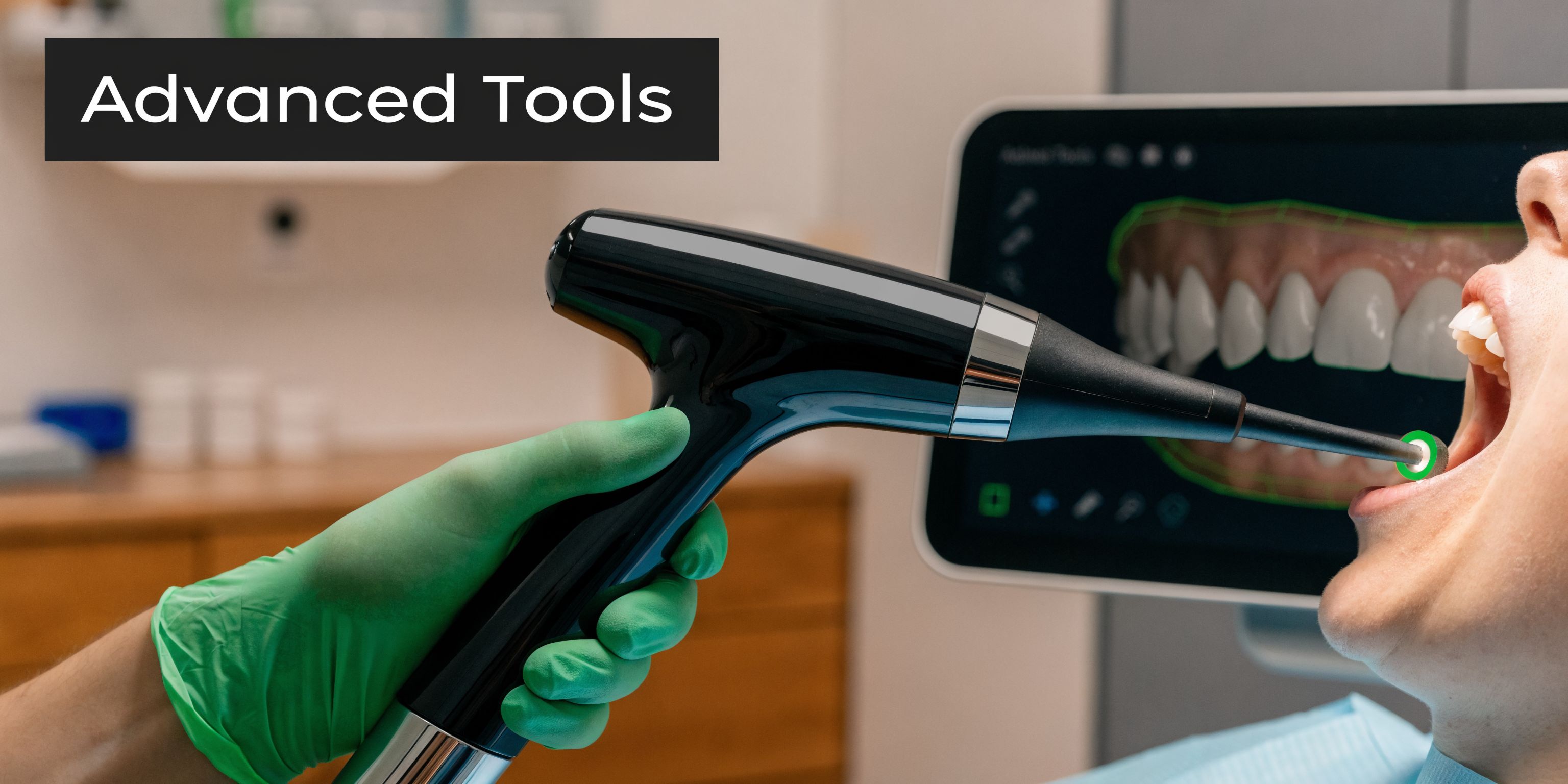
Traditional film X-rays took more steps and more waiting. Digital X-rays give the dental team an image almost right away, and they’re easier to enlarge, adjust, and review with you chairside.
That matters because patients usually understand treatment better when they can see the issue. A tiny dark area between teeth or bone changes around a tooth root become easier to point out on a screen than on a piece of film.
Some modern offices pair digital imaging with AI-assisted review tools. Think of this as a second set of eyes that helps organize what the dentist is seeing on the image.
It doesn’t replace the dentist’s judgment. It supports it. That can make conversations more visual and less abstract, especially if you’re the kind of patient who wants to know, “Can you show me exactly where the problem is?”
One example of this kind of workflow is AI intraoral scanner technology in Humble, TX, where digital tools help create more precise records without relying on older, messier methods.
If you’ve ever had a traditional impression, you probably remember the tray. It’s bulky, it can trigger your gag reflex, and you have to sit still while the material sets.
An intraoral scanner works more like a camera that maps your teeth and gums into a digital model. The scan appears on a screen, and the dentist can use it for restorations, aligner planning, bite evaluation, and recordkeeping.
For anxious patients, this is one of the clearest examples of modern dental practices improving comfort in a simple way. No goo. No tray. No guessing whether the impression captured enough detail.
A traditional crown process often meant preparing the tooth, taking an impression, placing a temporary crown, and returning later for the final restoration.
With CAD/CAM systems such as CEREC, dentists can design, create, and place crowns in a single appointment, eliminating temporary restorations and multiple visits, according to this explanation of how modern technology is changing dentistry.
That one change solves several common frustrations at once.
Here’s the simplified version:
It’s a bit like having custom-fitted clothing made from your exact measurements while you wait, rather than sending measurements out and hoping the fit is right later.
Modern dental practices often offer clear aligners for adults and teens who want straighter teeth without traditional braces. The big advantage for many patients is that the treatment feels easier to fit into daily life.
The planning is digital, the trays are custom-made, and the look is subtler than brackets and wires. For many people, that makes them more willing to start orthodontic treatment at all.
An implant replaces the root structure of a missing tooth and supports a restoration above it. Patients usually think first about appearance, but function matters just as much.
A stable tooth replacement helps with chewing, speech, and overall balance in the bite. In modern practices, digital planning can also help the dentist place and restore implants with better accuracy and clearer communication.
Cosmetic dentistry has also changed. Whitening, bonding, and veneers are no longer only about dramatic smile makeovers. Often, the goal is something more subtle. Repair a chipped edge. Brighten stained teeth. Even out shapes. Close a small gap.
That’s another hallmark of modern care. The dentist isn’t only asking, “Can I do this?” They’re also asking, “Will this look natural on your face and fit your goals?”
The best technology in dentistry usually feels simple from the patient side. You spend less time coping with the process and more time benefiting from the result.
For patients, technology only matters if it changes the experience in a useful way. They don’t care what a machine is called. They care whether the visit is easier, the explanation makes sense, and the treatment holds up.
That’s where modern dentistry becomes personal.

A lot of dental anxiety comes from not knowing what’s happening. Modern tools reduce some of that uncertainty.
Digital X-rays reduce patient radiation exposure by up to 80 to 90% compared with traditional film X-rays while also giving instant, high-resolution images for diagnosis, as noted in this overview of modern dental technology. For patients, that means faster answers and a process that feels more transparent.
Comfort also improves when the practice uses quieter, faster, and more precise workflows. Digital impressions can replace bulky trays. On-screen images help patients follow along. One-visit restorations can remove the awkward in-between stage where you’re trying to baby a temporary.
Parents know the challenge isn’t only the treatment itself. It’s the logistics.
You may be coordinating school pickup, work meetings, sports, and multiple family members with different needs. When a practice can diagnose quickly and complete more care in fewer visits, that has a ripple effect on the whole household.
Modern dental practices often feel more manageable because they reduce friction:
Precision sounds technical, but patients often feel it in everyday ways. A better-fitting restoration feels more natural when you bite. A clearer diagnosis can help avoid delays. A more exact digital model can make orthodontic planning smoother.
This short video gives a helpful look at how newer dental tools support that smoother patient experience.
Some people hear “modern” and assume it automatically means expensive. Sometimes the smarter question is whether the care is more efficient, more durable, and easier to maintain over time.
Preventive care is a good example. When a dentist spots a small issue early, you may avoid a larger and more disruptive procedure later. When a restoration is designed more precisely, the result may feel more predictable from day one. When a practice explains home care clearly, you’re more likely to protect the work you’ve already invested in.
If a treatment saves you extra appointments, reduces stress, and helps prevent a bigger problem later, that’s part of value too.
For nervous patients, the emotional benefit can be as important as the clinical one.
Modern dentistry often feels calmer because the process is less messy, less repetitive, and less mysterious. You’re not just being told what’s wrong. You’re being shown. You’re not always sent away with a temporary fix and a future appointment. In many cases, the problem can move from diagnosis to solution faster.
That doesn’t erase fear overnight. But it often lowers the temperature of the visit enough that people stop postponing care.
Finding a dentist can feel oddly hard. Most websites say the same things. They mention family care, friendly service, and advanced technology, but that doesn’t tell you how the visit will work.
A better approach is to ask practical questions.
Insurance-related issues are the top concern for dental practices heading into 2026, according to the ADA Health Policy Institute as discussed in this article on major challenges facing dentists. That matters to patients because delays, denials, and back-and-forth approvals can slow treatment and create confusion about next steps.
Use these as a starting point when calling a Houston-area office or reviewing its website:
Sometimes what a practice doesn’t explain tells you as much as what it does.
Watch for these signs:
A practice isn’t modern if the care is technically advanced but practically hard to get.
That’s why payment pathways matter. Transparent self-pay fees, in-house savings plans, and third-party financing can make it easier to move ahead with needed treatment instead of waiting through insurance bottlenecks. If you want a broader checklist for comparing providers, this guide on how to choose a good dentist is a useful place to start.
The best choice is usually the office that combines clear diagnosis with clear logistics. You should understand both your dental condition and your options for moving forward.
For families looking locally, the easiest way to judge a practice is to see whether the ideas above show up in real services and real workflows.
Clayton Dental Studio serves Humble, Atascocita, Kingwood, and the greater Houston area with care that reflects the main features people usually mean when they talk about modern dental practices. The office provides preventive check-ups and cleanings, emergency visits, same-day CEREC crowns, tooth-colored fillings, bridges, dental implants, clear aligners, whitening, bonding, and veneers under one roof.
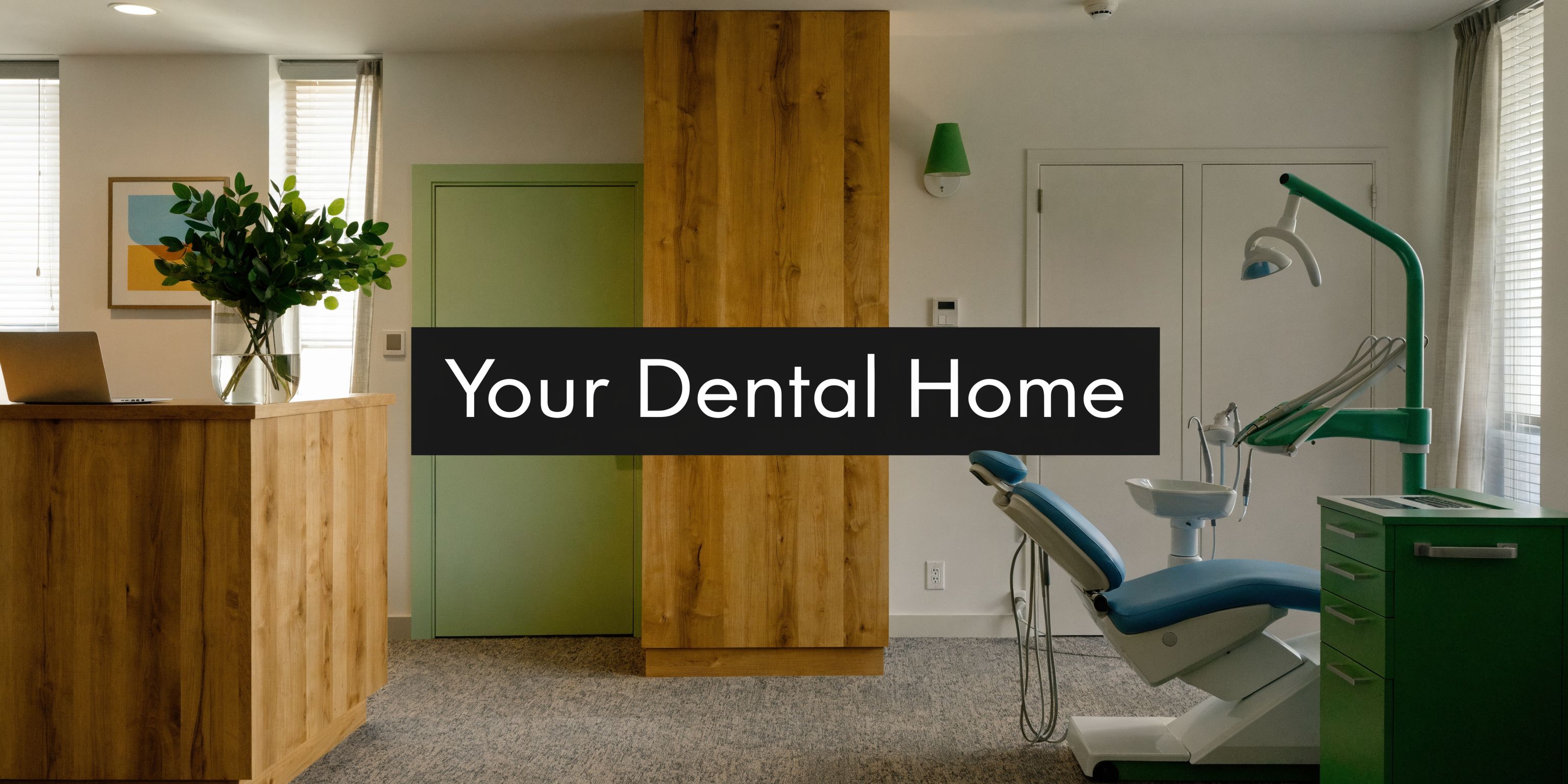
For a parent, “under one roof” often means fewer referrals and less running around town.
For a working adult, it may mean being able to address a broken tooth, cosmetic concern, or overdue cleaning without juggling separate offices. For someone in pain, same-day emergency availability can shorten the gap between the problem and actual relief.
The office uses digital AI-powered X-rays and advanced scanning tools to support efficient diagnosis and planning. Those tools matter because they can help make findings easier to review and treatment decisions easier to make during the same visit.
Same-day CEREC crowns are another practical example. Instead of preparing a tooth and sending you home with a temporary, the office can complete the restoration in one appointment when clinically appropriate. That’s a convenience benefit, but it’s also a comfort benefit. Patients often prefer finishing the job in one step.
Modern care isn’t only about clinical tools. It’s also about reducing the administrative friction that makes people delay treatment.
Clayton Dental Studio addresses that with transparent pricing, an in-house Humble Savings Plan for kids and adults, and financing through CareCredit and Cherry. For patients without insurance, or for those tired of waiting on approvals and denials, that creates a clearer path to care.
A dental office feels modern when the treatment plan and the payment plan are both understandable.
This matters for more than one type of patient:
When one practice can support those needs with digital tools, same-day options, and straightforward financial pathways, the experience tends to feel less fragmented. That’s often what families are really searching for, even if they describe it as wanting a dentist who feels current, organized, and easy to work with.
Not always in the way people assume.
Some modern treatments may involve advanced equipment or materials, but cost shouldn’t be judged only by the line item for one visit. If a newer workflow reduces extra appointments, avoids a temporary restoration, improves fit, or helps catch a problem earlier, it can offer better overall value.
It’s also worth asking how the office handles self-pay pricing, membership plans, and financing. A modern practice should be able to discuss those options clearly.
Yes, often in very practical ways.
Many anxious patients react to the process more than the treatment itself. They dislike the unknown, the gaggy impression trays, the long waits, or the feeling that they can’t follow what’s happening. Digital scans, faster imaging, clearer visuals, and more efficient visits can reduce several of those stress points.
That doesn’t mean fear disappears. It does mean the appointment may feel more predictable and easier to tolerate.
When the treatment is appropriate for the patient and done with the right workflow, same-day care can be a very solid option.
The larger point is that dentistry has been moving toward faster, more comfortable treatment for a long time. The high-speed drill reached 300,000 RPM in 1957, helping reduce procedure time and discomfort, as described in this history of dental advances and future trends. Today’s same-day restorations follow that same principle. Do the work with more precision and less disruption.
Start by looking at scope and workflow.
Ask what services the practice provides on-site, what technology supports planning and diagnosis, and whether the team regularly handles restorative and cosmetic cases in addition to routine preventive care. A well-equipped general practice can often manage a wide range of needs, especially when digital imaging and scanning are part of daily care.
If your case requires a specialist, a good dentist will tell you that directly.
Absolutely.
Better tools don’t replace regular maintenance. They make maintenance more effective. Modern diagnostics can help catch issues earlier, but they still work best when patients come in before something becomes urgent. The healthiest mouths are usually supported by a mix of routine home care, regular professional visits, and timely treatment when needed.
Start smaller than you think.
You don’t need to commit to a major procedure before you even know what’s going on. Book an exam, ask questions, and let the office show you the current condition of your teeth and gums. A modern practice should help you understand your situation without making you feel judged.
For many people, the hardest part is the first appointment. Once they see how much the experience has changed, the next step feels much easier.
If you’re looking for a dentist that combines digital technology, same-day treatment options, family care, and straightforward payment pathways, Clayton Dental Studio is one local option to explore in Humble. You can review the services, learn about the Humble Savings Plan, and book a visit to see what modern dental care feels like in real life.