

Book Your Appointment Today!
Our staff will reach out to you shortly
Thank you! Your submission has been received!
Oops! Something went wrong while submitting the form.


A lot of people who ask me about texas porcelain veneers are not starting from vanity. They're starting from frustration. They smile with their lips closed in family photos, they angle their face during video calls, or they've spent years trying whitening products on stains that won't lift.
That feeling is common in Humble, Atascocita, and Kingwood. Patients often want the same thing. They want their teeth to look healthy, even, and natural without looking fake or overly done. They also want straight answers about cost, comfort, and whether veneers are worth it over the long term.
Porcelain veneers can be an excellent option when the right patient chooses them for the right reasons. They can also be the wrong choice when underlying dental problems, heavy grinding, or unrealistic expectations are ignored. The key is understanding both the cosmetic payoff and the maintenance reality before you commit.
A patient might tell me, “My teeth are healthy, but I hate how they look in pictures.” Another might say a front tooth has been chipped for years, or that dark discoloration never improved even after whitening. Those concerns may sound minor to someone else, but when you see your smile every day, they don't feel minor at all.
Porcelain veneers are often the treatment people are really asking about when they want a smile that looks brighter, more symmetrical, and more polished without changing who they are. The goal isn't to create a generic celebrity smile. It's to create a smile that fits your face, your age, and your features.
Most patients don't want dramatic. They want to stop thinking about their teeth every time they talk or laugh.
That's why this decision deserves more than a quick price quote. Veneers involve design, tooth preparation, lab work, and long-term upkeep. If you live in the greater Houston area, local pricing, financing, and daily habits all matter. A patient in Kingwood asking about a full smile makeover needs different guidance than someone in Humble who only wants to correct one or two front teeth.
The useful question isn't just, “How much do veneers cost?” It's, “What will I be paying for, how long will they last, and what do I need to do to protect that investment?”
Porcelain veneers are thin, custom-made ceramic shells bonded to the front surface of teeth. The simplest way to picture them is as something like a contact lens for a tooth, but made from durable porcelain and designed with far more precision.
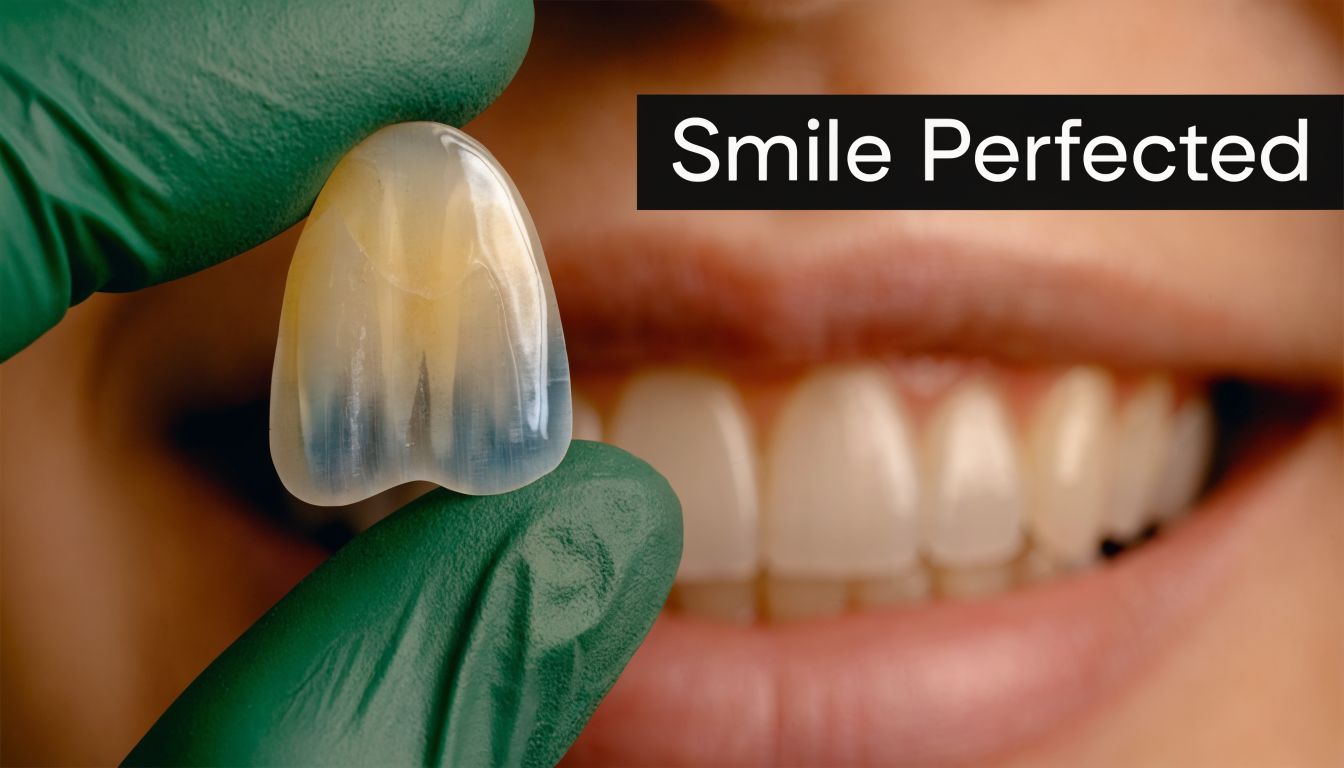
They're popular for a reason. The veneer market has grown significantly, with the global dental veneer market reaching approximately $2.47 billion in 2024, about 8% of U.S. adults reporting veneers, and an estimated 1 in 5 U.S. citizens having some form of cosmetic dental procedure according to veneer statistics for 2025.
Porcelain veneers are usually considered when the concern is visible and cosmetic, especially on front teeth. Common reasons include:
They're strong, but they're not a shortcut for every smile problem. Veneers can visually improve mild alignment issues, but they won't correct significant bite problems or major crowding.
A good veneer candidate usually has healthy gums, good daily oral hygiene, and enough enamel for secure bonding. The teeth also need to be stable enough structurally that a veneer makes sense instead of a larger restoration.
Here's what I look for in a consultation:
Sometimes another treatment is smarter. Veneers may not be ideal if you have severe bruxism, very weakened tooth structure, large existing fillings on the teeth in question, or significant orthodontic issues.
Clinical reality: Veneers are excellent for appearance-driven corrections. They are not a substitute for treating decay, gum disease, or an unstable bite.
That's why candidacy isn't based on how much you want them. It's based on whether your teeth can support them well and whether they'll still serve you years from now.
Patients often feel more relaxed once they know the sequence. Veneers are not a mystery procedure. In Texas, the process is typically a standardized two-appointment treatment, with the first visit focused on preparation and temporaries, and the second on seating the final restorations, as described in this overview of the Texas porcelain veneer process.

The first part is conversation and evaluation. We look at your smile line, tooth proportions, bite, gum health, and the specific teeth bothering you. This is also the point where expectations matter most. Some patients want a softer, natural look. Others want a brighter, more polished result.
Then comes preparation. A small amount of enamel is typically adjusted so the final veneers can sit naturally rather than looking bulky. After that, records are taken so the laboratory can fabricate the final restorations.
Temporary or provisional veneers are commonly placed during this stage. They're not just placeholders. They help you preview shape, length, and overall look in real life.
The temporary phase tells us a lot. You get to speak, smile, and function with a version of the planned result before the final porcelain is bonded permanently.
That preview helps answer practical questions:
This step is one of the biggest advantages of a thoughtful veneer process. It reduces guesswork.
A short visual overview can help if you're more comfortable seeing the sequence first.
Your final veneers are made by a dental lab to match the approved design. The porcelain type, shape, texture, and shade all matter here. Fine details make the difference between “nice teeth” and “veneers that look like your own enamel.”
At the second appointment, the temporary veneers are removed. The final veneers are tried in, checked carefully, and then permanently cemented once fit and appearance are confirmed.
Patients may notice some sensitivity to hot or cold after placement. That can happen, and it often settles as the teeth adjust.
A good veneer appointment should never feel rushed. Shade, fit, bite, and facial balance all deserve careful attention before final cementation.
This approach works well for several common cosmetic concerns, including teeth that are internally stained, chipped, misshapen, slightly crowded, or uneven. In some practices, same-day technology may help in selected cases, but lab-crafted porcelain remains a strong choice when detailed esthetics are the priority.
Not every patient who wants a nicer smile needs veneers. In many cases, the decision comes down to three treatments: porcelain veneers, composite bonding, or full-coverage crowns. Each solves a different problem, and the best choice depends on what you're trying to fix and how much natural tooth structure you want to preserve.

Porcelain veneers are usually the better fit when the goal is a high-end cosmetic result across visible front teeth. They're known for a natural light-reflective appearance and strong stain resistance. Porcelain also tends to hold its shape and finish better over time than direct bonding.
Composite bonding can be excellent for small chips, minor edge repairs, or limited cosmetic touch-ups. It's more conservative in many cases and often faster. The trade-off is that bonding usually doesn't match porcelain for stain resistance or long-term surface polish.
Crowns are different. A crown covers the whole tooth, not just the front. That makes crowns more appropriate when a tooth is structurally compromised, heavily restored, or needs more protection than a veneer can provide.
| Feature | Porcelain Veneers | Composite Bonding | Dental Crowns |
|---|---|---|---|
| Primary use | Cosmetic improvement of front-facing surfaces | Minor repairs and smaller cosmetic changes | Restoring teeth that need full coverage |
| Appearance | Very natural, refined translucency | Good for targeted improvements | Can look excellent, but designed more for coverage than minimalism |
| Stain resistance | Strong | More likely to pick up discoloration over time | Depends on material, but function often drives the choice |
| Tooth reduction | Conservative compared with crowns | Often minimal | More extensive than veneers |
| Best for | Smile design, shape, shade, symmetry | Small chips, edges, minor gaps | Teeth with larger structural concerns |
If someone has only one tiny chip, a veneer may be more treatment than they need. If someone has a badly weakened tooth, bonding may look nice for a while but not solve the structural issue. If stains are the main problem, start by understanding whether whitening can help. A patient thinking through that option may find this guide to teeth whitening in 2026 useful before moving to a permanent cosmetic treatment.
For a more detailed practice-level discussion of trade-offs, our article on porcelain veneers pros and cons is a helpful next step.
The wrong cosmetic treatment can still produce a pretty photo. The right treatment has to look good, feel right, and make sense for the tooth underneath.
Cost matters. It matters even more when a treatment is elective and insurance usually doesn't help much. For most families in the Houston area, the main question isn't just whether veneers look good. It's whether the total investment makes sense for their budget and their long-term goals.

In the Houston area, porcelain veneers commonly average $800 to $1,200 per tooth, while in communities such as Kingwood, the cost can be closer to $1,500 per tooth, according to this review of Houston veneer costs.
That range exists for good reasons. Veneer fees can change based on:
A single number per tooth only tells part of the story. What matters more is how long the veneers hold up, whether you're likely to need repairs, and whether your habits put them at risk.
A patient with stable teeth, healthy gums, and no heavy grinding often gets much better long-term value than someone who wants veneers without fixing bite stress first. If you clench at night, skip cleanings, or use your front teeth to open packages, the true cost rises fast because replacement becomes more likely.
That's why I encourage patients to think in layers:
Porcelain veneers are usually classified as cosmetic, so insurance rarely covers them. That leaves most patients choosing between savings, third-party financing, or an in-house membership or savings plan.
Common affordability options include:
Clayton Dental Studio also offers a local in-house membership option called the Humble Savings Plan, and we've outlined broader pricing questions in this guide on how much veneers cost.
Practical rule: Don't judge veneer value by the cheapest quote. Judge it by planning quality, lab quality, and whether the treatment is likely to stay stable over time.
Porcelain veneers are durable, but they are not maintenance-free. High-quality porcelain veneers have an average clinical lifespan of 15 to 20 years, and porcelain's low porosity helps it resist stains well. One important catch is that the color cannot be changed after cementation, so shade selection matters from the start, as explained in this overview of veneer longevity and material behavior.
The veneers themselves don't decay, but the teeth underneath and around them still need routine care. That means the basics still matter.
Focus on these habits:
Patients sometimes assume they can whiten veneers later if their preferences change. That's not how porcelain works. Once the veneer shade is finalized and cemented, traditional whitening won't change it.
That's why I spend extra time discussing color goals before treatment. Very bright shades can look striking at first, but they also need to fit your skin tone, surrounding teeth, and long-term comfort level.
Good veneer maintenance is not complicated. It's consistency. Clean them well, protect them from grinding, and stop doing the small damaging things people often don't notice.
If you want a more detailed overview of long-term expectations, this article on how long veneers last is a useful companion.
Most veneer failures don't happen because porcelain is weak. They happen because the bite is overloaded, the teeth weren't ideal candidates in the first place, or daily habits slowly create stress.
The biggest mistakes I see are ignoring clenching, delaying routine dental visits, and assuming cosmetic work can be treated casually because it “feels strong.” Veneers are durable, but durability works best when the bite and maintenance plan support it.
Choosing a veneer dentist in the Houston area should feel more like an interview than a sales meeting. You want someone who can explain why veneers are appropriate, when they aren't, and what alternatives deserve consideration.
Ask practical questions during a consultation:
You should also pay attention to communication style. If the conversation jumps straight to “how many veneers do you want” without discussing gum health, enamel, bite, and long-term upkeep, slow down.
I'd apply the same thinking to any service decision that depends on local trust and visibility. For example, if you've ever wondered why some neighborhood businesses are found more easily than others, this article on how contractors get more local leads explains how local search visibility shapes who people end up calling first.
For patients in Humble, Atascocita, and Kingwood, the right dental office should combine cosmetic judgment with clear financial guidance, modern imaging, and a calm chairside approach. Veneers are too personal and too permanent to choose based on convenience alone.
Yes, you can. The porcelain itself doesn't decay, but the natural tooth is still there underneath. If plaque builds up near the edges, or if brushing and flossing slip, decay can still develop around the margins.
That's one reason veneer patients still need routine exams and cleanings. Cosmetic dentistry never replaces preventive care.
They shouldn't. Bulky veneers usually point to poor planning, inadequate preparation, or a design that doesn't suit the person's face. Well-made porcelain veneers are thin and designed to blend with your smile, speech, and lip support.
The temporary phase helps a lot here. It gives you and your dentist a chance to catch shape or length issues before the final porcelain is bonded.
Most patients do well during the procedure. You may have some short-term sensitivity, especially to temperature, after the teeth are prepared and after final placement. That sensitivity often settles.
What matters more than “pain” is whether the process is being done carefully. Numbing, bite checks, and proper temporary veneers all improve comfort. Patients are usually relieved to find the experience is more manageable than they expected.
At first, they can feel different because the shape and contours have changed. Your lips and tongue are very aware of small changes. Most patients adapt quickly once the bite feels right and the edges are polished well.
They can be, if the treatment matches the problem and you're ready for the long-term responsibility that comes with it. Veneers are not the cheapest cosmetic option, but for the right patient they can provide a stable, natural-looking improvement that simpler options may not match.
If you're considering porcelain veneers and want a clear, pressure-free conversation about candidacy, cost, and long-term maintenance, schedule a consultation with Clayton Dental Studio. Dr. Navneet Kamboj and the team serve Humble, Atascocita, Kingwood, and the greater Houston area with practical guidance, modern technology, and honest treatment planning.